[~7 min read]
Recently my husband asked what I wanted for my birthday.
I stared at him. Not because I was playing games or being difficult – I genuinely had no idea.
I’d completely lost track of what I actually wanted. Again.
Here’s the kicker: I’m literally building a business teaching women how to live their Prime Life. And I’d just spent months so focused on everyone else’s transformation that I’d overlooked my own needs.
The slow fade doesn’t just happen once. It’s a pattern that can creep back in anytime you stop paying attention.
What The Slow Fade Actually Looks Like
It doesn’t happen overnight. That’s what makes it so insidious – and so easy to miss until you’re deep in it.
We all have moments where we realise we’ve become the family coordinator, the default parent, the business owner thinking for everyone else, the one who remembers everything and decides nothing.
The difference is whether you recognise you’re disappearing – or just accept it as “being selfless.”
This is what it looks like:
- You say “I don’t mind” when you absolutely do mind
- Your wants have become so quiet, even you can’t hear them anymore
- You feel like a supporting character in your own life story
- You can plan everyone else’s perfect day but have no idea what yours would look like
I used to have opinions about everything. What to watch, where to eat, how to spend weekends. Then I went through a stage where I’d say “whatever you want” so often, I forgot what I actually wanted.
How It Happens
It starts innocently enough.
One compromise here. One “it’s easier if I just do it” there. One “my own priorities can wait” moment after another.
For me, it’s been a lifelong pattern. Fiercely independent. Self-reliant. Trying to do everything myself and not ask for help because I didn’t want to bother people.
Sounds strong, right? But there’s a paradox here … that fierce independence made me disappear. Because “don’t bother people” became “don’t have needs”.
Each choice to step back seemed reasonable at the time.
I remember the moment I stopped pitching ideas in client meetings. Not because I didn’t have them – I had notebooks full. But I’d learned that pushing my vision meant more pushback, more negotiation, more exhaustion. So I started asking “What do you want?” instead of saying “Here’s what I think.” That felt like collaboration.
The business demands constant attention, so my own interests are put on hold – indefinitely. That feels like dedication.
Everyone else’s schedule dictates mine. That feels like being flexible.
Family obligations automatically take precedence over what actually floats my boat. That feels like being a good person.
Each choice feels temporary. But temporary becomes permanent, and somehow “putting others first” becomes “putting yourself last.”
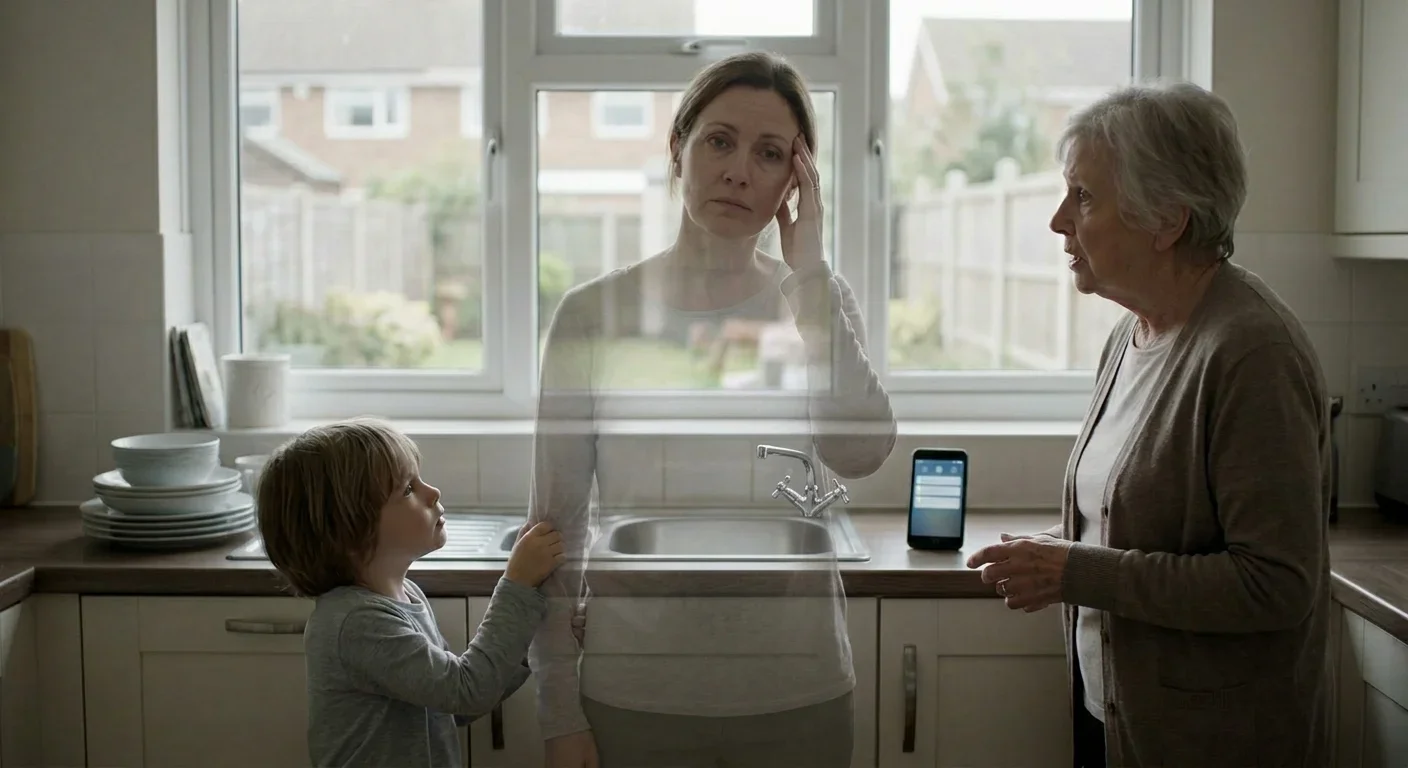
And before you know it, you’re standing in your kitchen unable to answer what you want for your own birthday.
This isn’t happening because you’re weak, or because you didn’t try hard enough. It’s happening because you are quietly trying to live inside a version of success you’ve completely outgrown. You are suffocating inside roles that simply no longer fit. And the only way to find your breath again isn’t to optimise those roles – it’s to start shedding them.
Why Capable Women Are Most at Risk
The cruel irony is – your competence becomes your cage.
You’re so good at managing everyone else’s desires that you become indispensable. And indispensable feels like validation, doesn’t it? Until you realise you’ve made yourself disappear in the process.
The more capable you are, the more everyone relies on you. The more they rely on you, the less space there is for what you actually require. It’s a slow-motion trap disguised as being “the strong one.”
I’ve worn my ability to handle everything like a badge of honour across multiple careers and life stages. “I’ve got this,” I’d say, while quietly losing track of what I actually needed. From my earliest days in the TV industry, fresh out of school and thrown in at the deep end to produce a daily live-to-air show, I was determined to give it everything I had.
Even now, building Hello Prime Life – something I’m passionate about – I’ve found myself slipping back into that default mode at times. The irony isn’t lost on me.
The Real Cost of the Fade
You know what nobody tells you about disappearing from your own life?
It doesn’t just affect you.
When you consistently make your preferences invisible, you train everyone around you that your needs don’t matter. Your partner forgets to ask. Your kids learn that mothers don’t have wants. Your friends stop checking what you think because you always say “I’m fine with anything.”
But the real cost? You stop trusting yourself to know what you want.
Because when you haven’t practiced wanting anything for yourself, your want-muscle atrophies. You second-guess every preference. You ask others what they think before you’ve even formed your own opinion. You become a stranger to your own desires.
And that? That’s when you know the fade has won.
Sometimes I’m so caught up in the demands of business-building that I lose sight of what I’m passionate about, what I need, what excites me. So much for living a Prime Life, right?
But that’s the truth of it. This isn’t about reaching some perfect state where you never slip back into old habits. It’s about catching yourself when you do.
It’s important for you to understand – you can’t rediscover who you are, rebuild confidence, or reinvent your life until you recognise you’ve disappeared. The slow fade is the foundation issue – and it’s the one most women don’t even realise they’re experiencing.
A Quick Note: If you’re reading this and thinking “it’s more than the slow fade” – if you’re experiencing persistent depression, anxiety, or you’re in a relationship where your needs are actively dismissed rather than just overlooked – please reach out for professional support. The strategies here are for the slow fade, not for situations that need deeper intervention.
How to Get Yourself Back
The good news? You didn’t actually disappear. You just lost sight of yourself in the day-to-day shuffle.
Here’s how to come back.
- Start Noticing Yourself Again
How you shrink in some situations and speak freely in others. How saying nothing feels safer than speaking up. How you say “it’s fine” while your jaw tenses.
Next time you catch yourself saying “It’s fine” when it’s not, take a breath. Or when you say “I don’t mind,” pause and ask yourself: “what would I actually like?”
You’re allowed to say “you know what I really want?” Speaking up doesn’t make you difficult. And when you do, you’ll find your confidence grows, your stress levels drop, and people start to see you again.
- Draw Your Lines (And Defend Them)
This isn’t just about having boundaries – it means drawing new lines with a Sharpie and without apology.
Start with your non-negotiables. These are mine: get moving in the fresh air for at least 30 minutes every day, head on pillow by 9 each night (sleep is Queen and my days start fresh at 5), phone away when I walk in the house.
Then add your No-Brainers – the boundaries that protect your sanity. Mine: No Meetings in the Mornings (to protect my Prime Time), No Appointments every second week, No back-to-back commitments that leave no room for myself.
Non-negotiables aren’t a one-time decision. As life changes, so do your priorities. But when you know the “no,” the “yes”has room to breathe.
Bit by bit, I’m finding myself again. The process isn’t linear, and when I slip back into old patterns – like I did recently – I catch myself faster now.
The Ongoing Practice
I’ve learned that living a Prime Life doesn’t mean you’ll never slip into old scripts again.
It’s about recognising when those autopilot patterns resurface – and having the tools to course-correct before you completely fade into the background…
The difference now? I recognise the signs and have practices in place to anchor my presence.
Because if there’s one thing I know for sure: the world doesn’t need another woman who’s disappeared herself. It needs you – with your opinions, your wants, your gloriously inconvenient preferences.
Ready to Stop Fading?
If you’re recognising yourself in this, you’re not alone. And you’re not too far gone to come back.
The slow fade happens so gradually you rarely notice until you’re completely disconnected from your own life. If you want to stop guessing and start knowing, take the Thriving, Striving or Surviving Quiz. It will show you exactly where you stand right now – and map out your next move.
Start with one small thing this week. When someone asks what you want – for dinner, for the weekend, for your own birthday – resist “whatever suits you”. Name what you’d like.
Next time someone asks what I want, I’m going to know the answer. Not because I’ve become badass at this, but because I’ve started practicing wanting again. You can too.
Because your Prime Life is waiting for you to show up for it.
This conversation continues on the Hello Prime Life podcast. Listen to Episode 002: “The Invisibility Tax: How to Stop Disappearing in Your Own Life.” as we add up the price you pay for being the easy one and what it’s really costing you.